
These are the nature-based projects we are successfully running with landowners and investors.
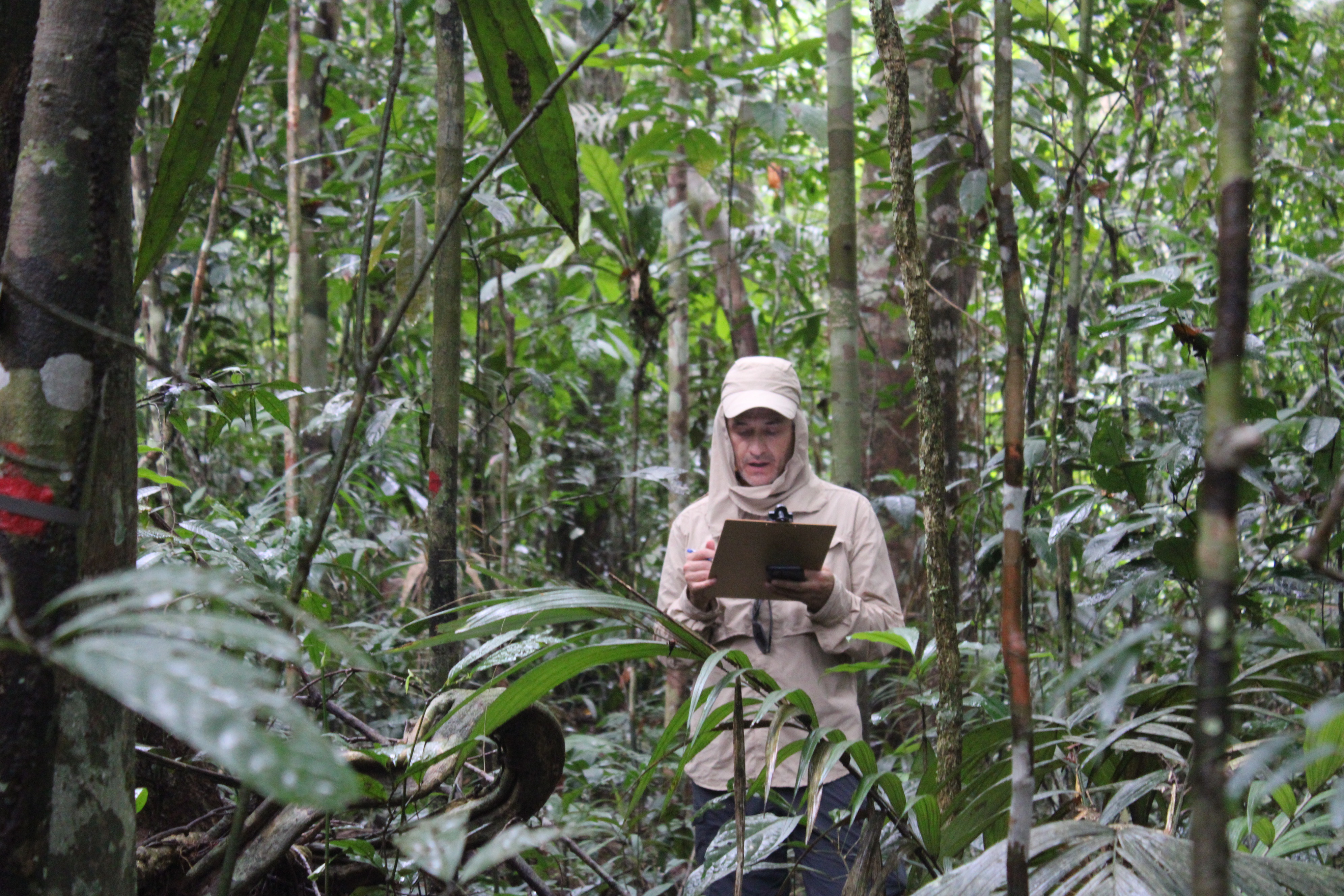
Amazon Rio is an Improved Forest Management project conserving 18,598 hectares of primary rainforest in the municipality of Manicoré, state of Amazonas, Brazil. The project was established in 2013 as the first Private Reserve for Sustainable Development in the country, thereby putting a stop to 15 years of logging operations and preventing further greenhouse gas emissions through its avoided planned deforestation. Beyond just emissions reduction, Amazon Rio delivers strong social and biodiversity benefits, earning it Verra's Climate, Community, and Biodiversity (CCB) label.
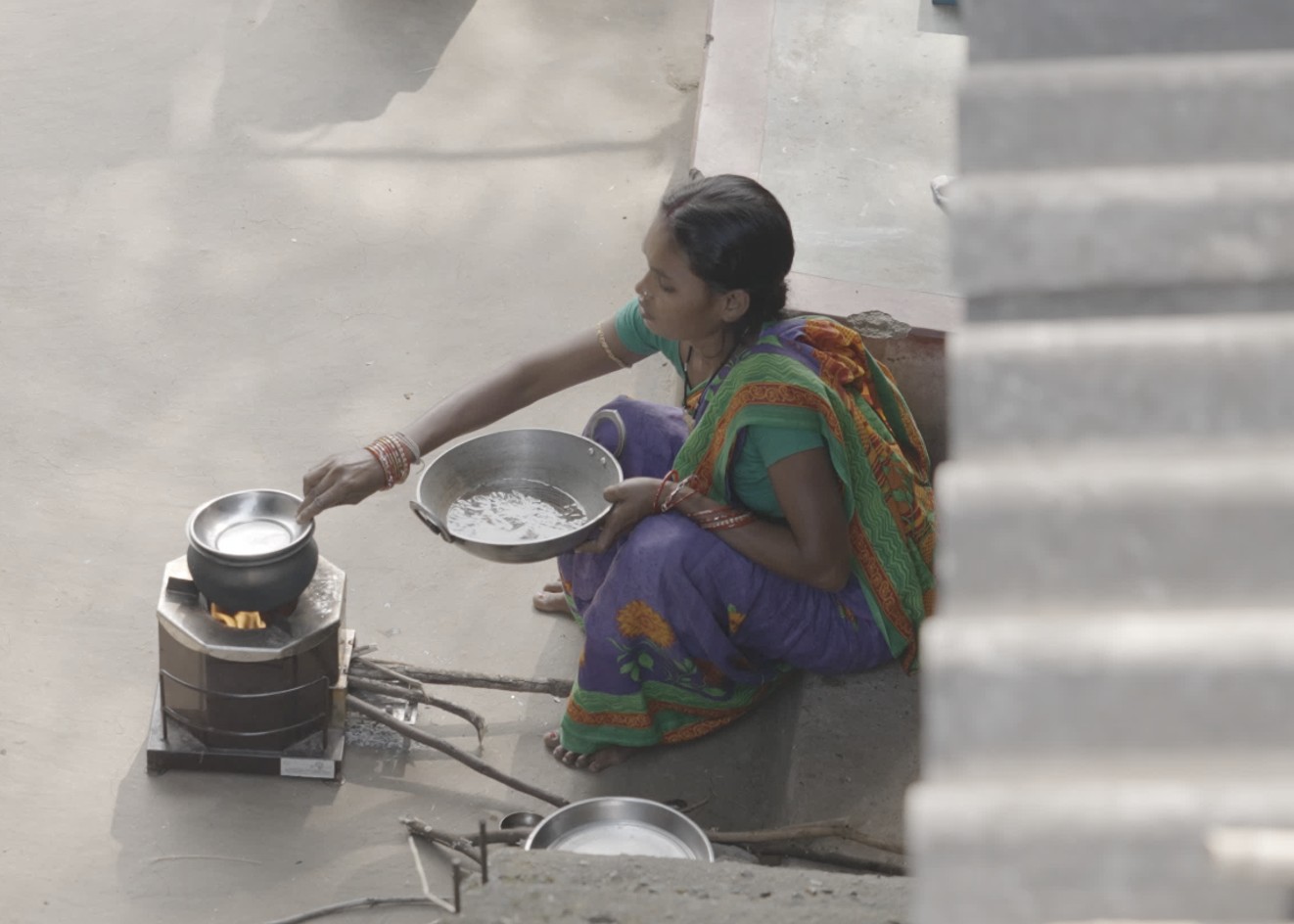
The Core Carbon distributes improved energy-efficient stoves to rural households in the states of Odisha and Jharkhand. These cookstoves replace traditional open-fire methods, reducing biomass fuel consumption, cutting household air pollution, and preventing the emission of harmful black carbon. The project also delivers measurable social co-benefits such as women's empowerment through local leadership roles, improved family health outcomes, and stronger community organizations via "Carbon Clubs" that reinvest carbon revenue into local development initiatives.
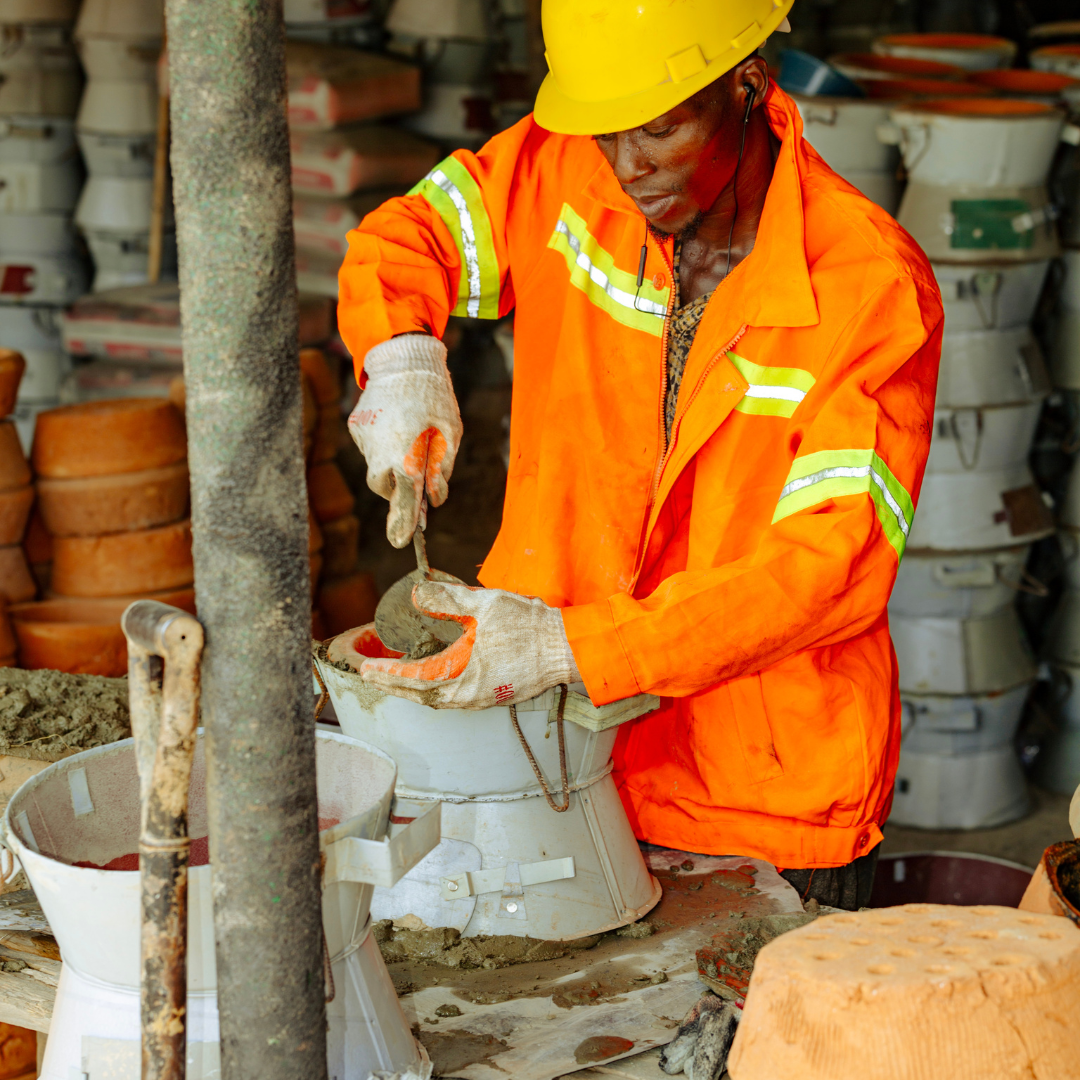
The Man and Man Programme distributes locally manufactured, energy-efficient cookstoves to households across the Western Region of Ghana, where most families still rely on traditional open-fire cooking methods. The project reduces deforestation, lowers greenhouse gas emissions, and enhances indoor air quality for thousands of rural families. Beyond its environmental impact, the initiative strengthens the local economy through job creation in stove production and supports women's empowerment by making clean cooking more accessible and affordable.
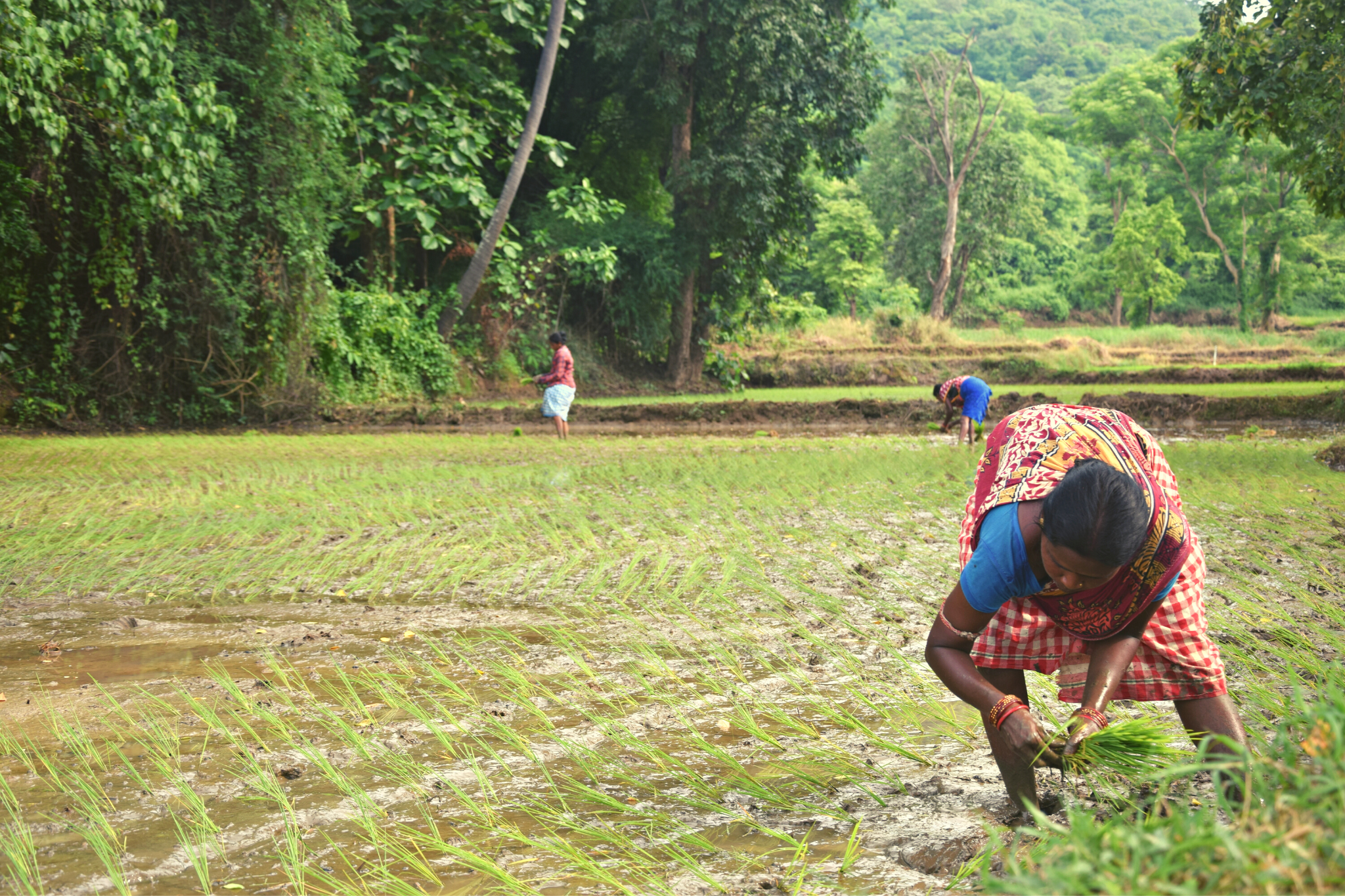
The Core Carbon Sustainable Rice Productions project trains farmers in the state of Telangana, India, to adopt sustainable irrigation practices that replace continuous flooding with alternate wetting and drying cycles. These methods dramatically reduce methane emissions, a gas with 27 times the global warming potential of CO₂. The project also delivers strong social and economic co-benefits, including farmer training, community partnerships, and benefit-sharing programs that reward participants through carbon revenue. Project activities are monitored via ground and satellite data.
We'd love to hear from you. Send us a message and we'll respond as soon as possible.
Contact Us