

| Client | Jonathan Carter |
|---|---|
| Category | Renewable Energy Solutions |
| Location | Amazonas, Brazil |
| EST. TONNES REDUCED OF CO2 | 1,938,000 |
| FAMILIES ASSISTED | 450 |
| HECTARES OF FOREST CONSERVED | 450 |
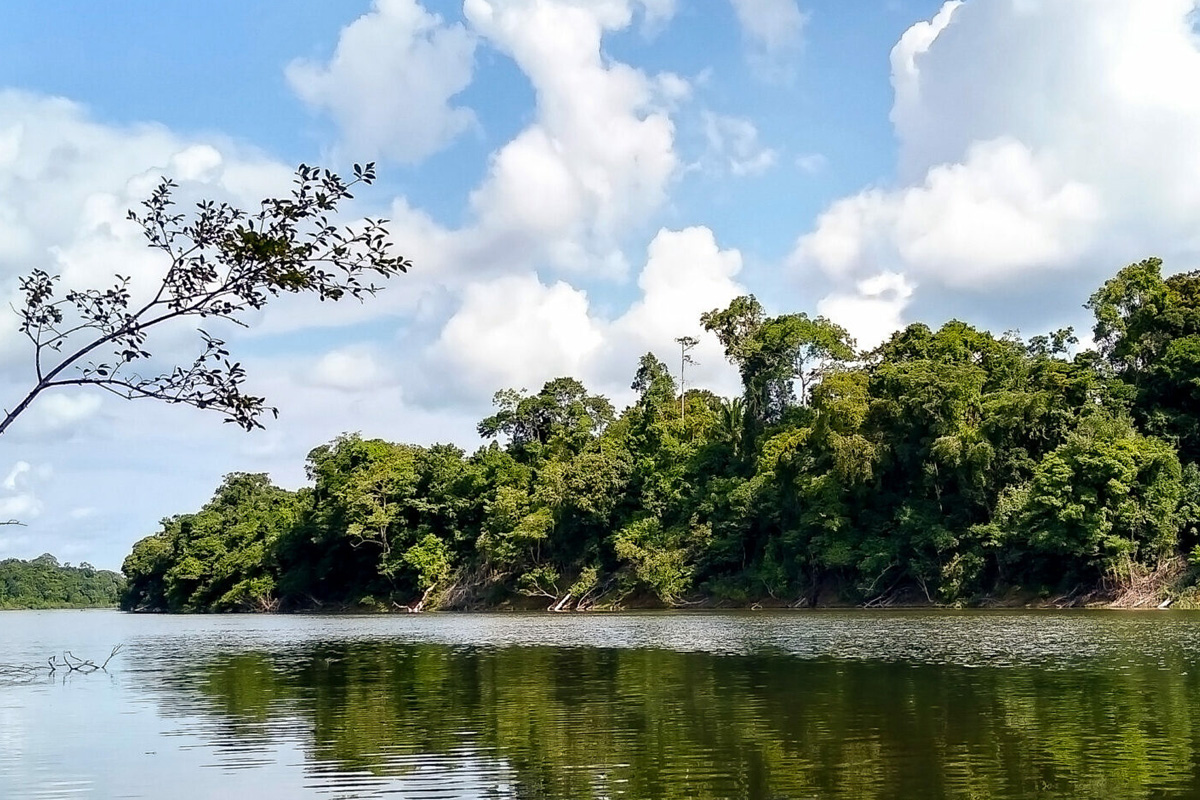
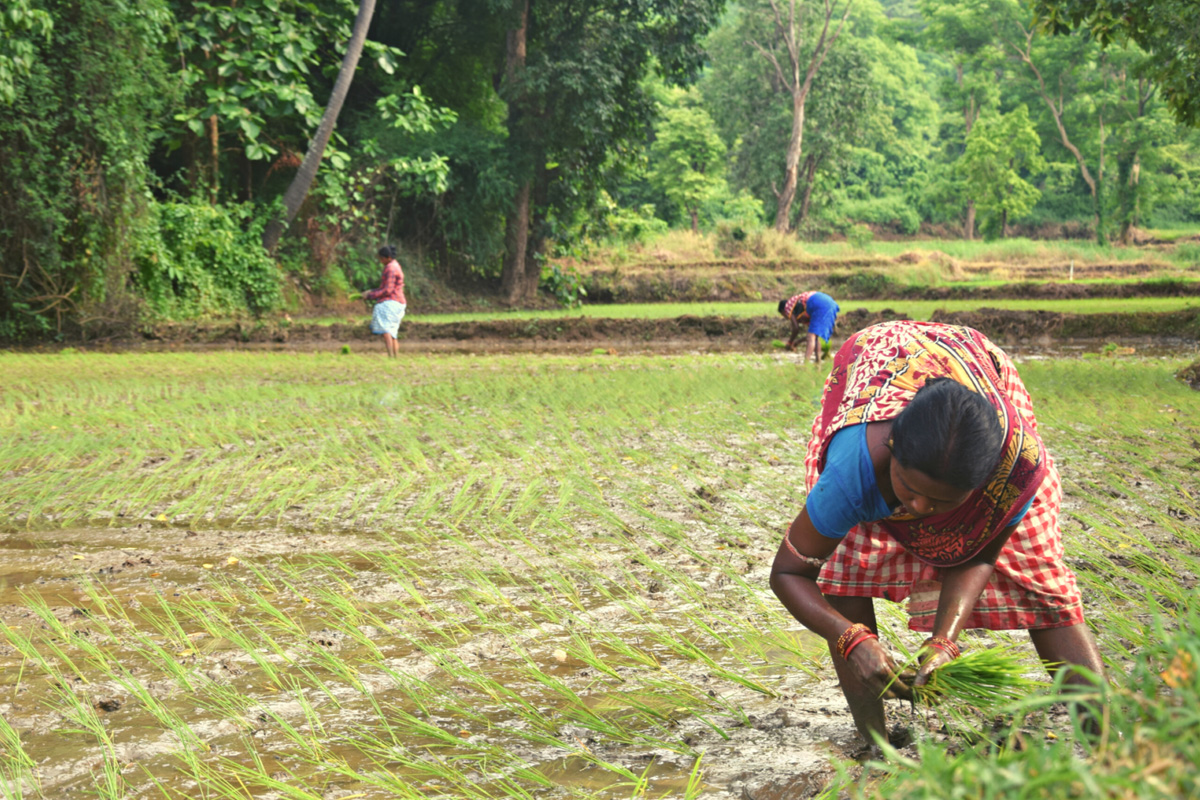
Amazon Rio is a forest conservation project that protects 18,559 hectares (ha) of rainforest in the state of Amazonas, Brazil. The project is located in a former authorized logging concession that was reclassified as the largest private reserve in Brazil. A total of 5,429 ha of rainforest were deforested before logging operations ceased. This project is actively generating carbon credits, ensuring the long-term protection of the area from future deforestation and the preservation of the ecosystem and biodiversity. Approximately 450 families in 15 surrounding communities benefit from project activities.
Vida Carbon and EBCF have identified more than 1 million ha of Brazilian rainforest in danger of planned or unplanned deforestation. The goal of this partnership is to expand conservation operations into these at risk areas.
The Amazon Rio project addresses high deforestation rates in the region and emphasizes the importance of ecosystem preservation and nature-based solutions in the prevention of climate change.
 Verra 1147


"We collaborate with experienced local and international partners who share our vision for durable, community-centered climate solutions. Their expertise ensures strong governance, transparent reporting, and on-the-ground impact."
 SDG 1
SDG 1
 SDG 2
SDG 2
 SDG 3
SDG 3
 SDG 4
SDG 4
 SDG 5
SDG 5
 SDG 6
SDG 6
 SDG 7
SDG 7
 SDG 8
SDG 8
 SDG 13
 SDG 15
You can reduce waste, conserve water, use renewable energy, recycle, plant trees, and support eco-friendly initiatives.
You can reduce waste, conserve water, use renewable energy, recycle, plant trees, and support eco-friendly initiatives.
You can reduce waste, conserve water, use renewable energy, recycle, plant trees, and support eco-friendly initiatives.
You can reduce waste, conserve water, use renewable energy, recycle, plant trees, and support eco-friendly initiatives.